Gábor Kálmán (Photo credit: Lívia Hosszú)
(EN below)
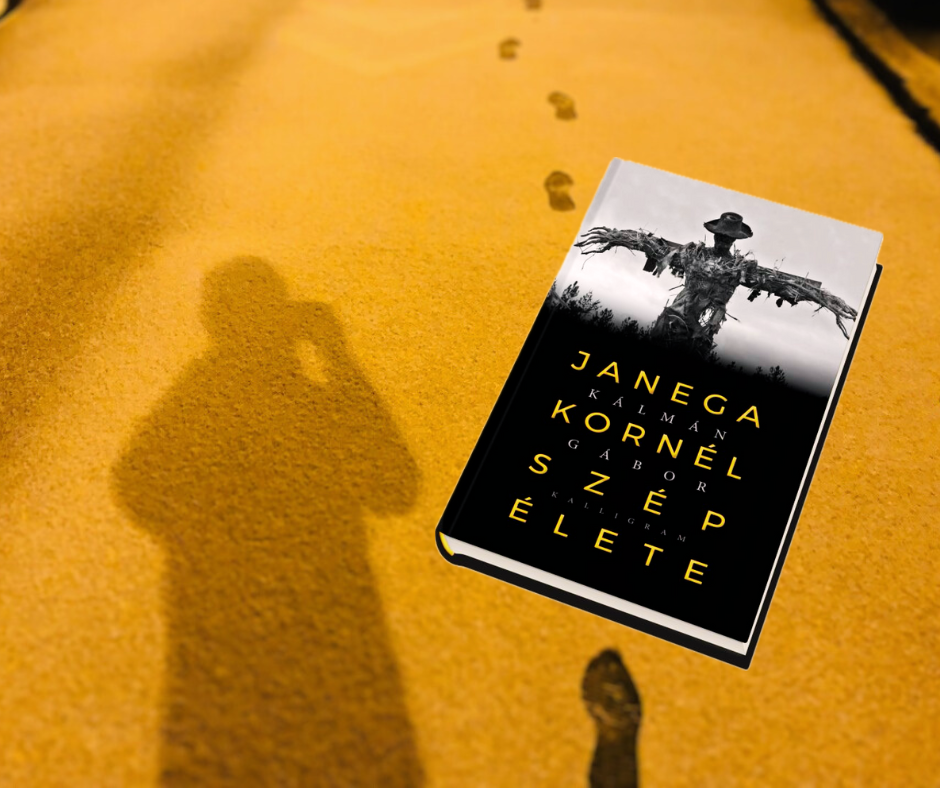
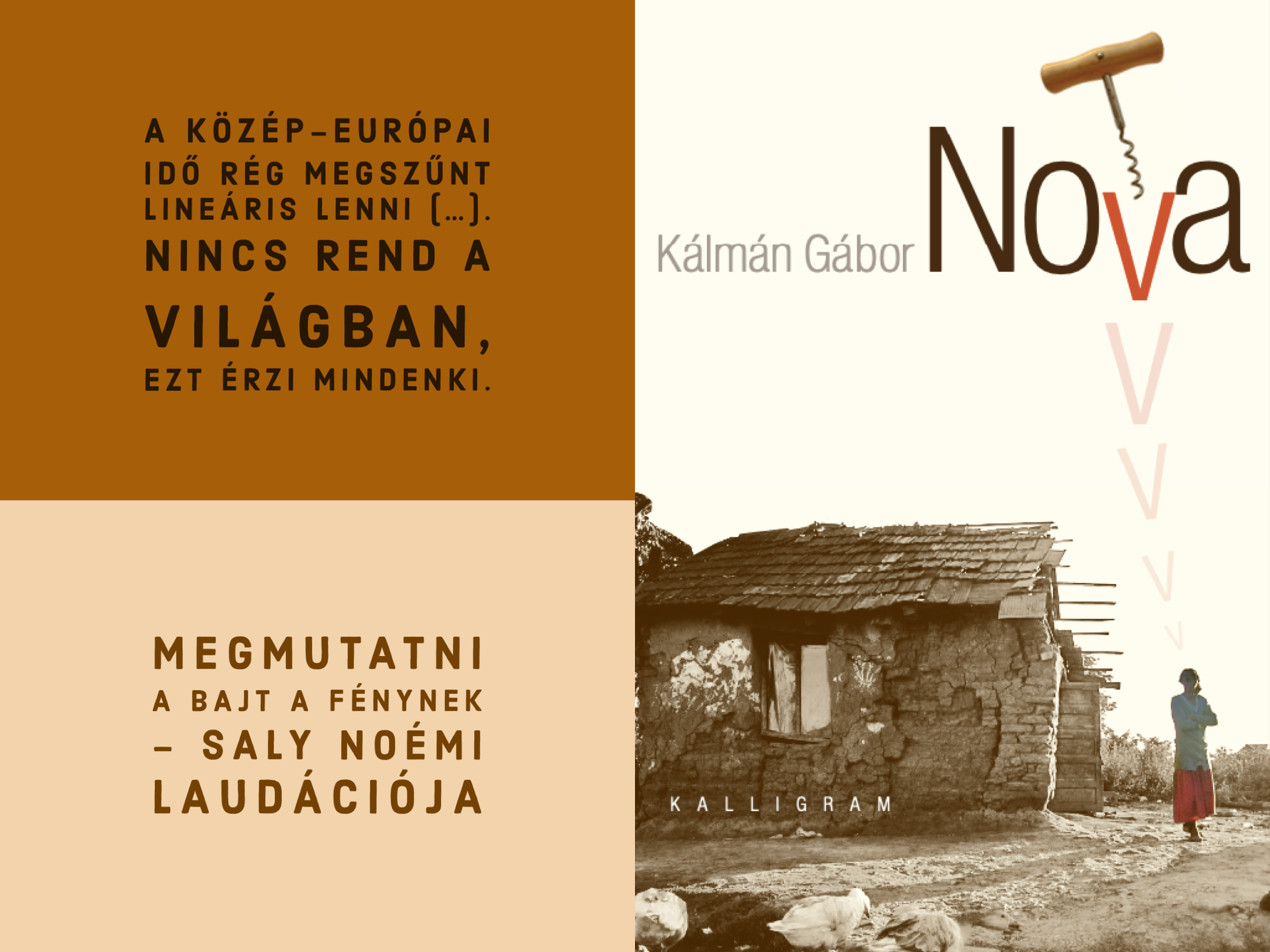
Kálmán Gábor 1982-ben született Csehszlovákiában, Érsekújvárott. 1996-ban költözött Magyarországra, Pápán érettségizett. 2000-ben költözött Budapestre, az ELTE BTK magyar szakán végzett 2006-ban. 1999 óta publikál, (verset, prózát, tárcát, recenziót) első regénye (Nova) 2011-ben jelent meg, Bródy Sándor díjat kapott, rádiójáték készült belőle Surányi András rendezésében, Karol Wlachovsky fordításában megjelent szlovák nyelven is. 2016-ban jelent meg a második regénye (A temetés), 2018-ban pedig a harmadik (Janega Kornél szép élete). 2020-ban tárcakötete jelent meg (A világ legvidámabb embere). Könyveit a Pesti Kalligram kiadó gondozta. Irodalmi munkái mellett tizenhat évig borszakértőként, később könyvtárosként is dolgozott, 2022 óta Izlandon él. A Janega Kornél szép élete angol kiadása készül Sipos Tímea fordításában, részletek jelentek meg belőle több neves lapban (linkek a bio angol változata alatt, lentebb).
//
Gábor Kálmán is a Hungarian writer born in Nové Zámky in the former Czechoslovakia in 1982. He lived in Budapest from college onwards, until moving to Iceland, where he is currently based. He received the Sándor Bródy Award for Best New Book of the Year for Nova (2011), a novel developing the epic of the Slovak countryside. His next book, A temetés (The Funeral, 2016), is a fragmented novel about a fragmented family. Kálmán’s third novel, Janega Kornél szép élete (The Wonderful Life of Kornél Janega, 2018), describes the experience of growing up in Eastern Europe without a father and a motherland. The author’s latest book is A világ legvidámabb embere (The Happiest Man in the World, 2020), a collection of short stories. His books were published by the prestigious Kalligram Publishing House in Budapest.
A summary of The Wonderful Life of Kornél Janega’s appearances in English thus far: the text was translated by Tímea Sipos. The Wonderful Life of Kornél Janega by Gábor Kálmán appeared in 2018 with Kalligram. It’s a raw and at times depressing story about Eastern Europe, a lack of a home country, fatherlessness, and drifting about in a fragmented, Eastern European adulthood. The English translation is essentially complete. The excerpts/chapters that have been published so far can be found in the links below.